Art School
Create · Explore · Inspire
$360 per month · all three studios
Three afternoons a week your child draws, designs and works in clay — in small groups and private lessons, with the same instructor following their progress. Places are limited and students join by nomination or after an interview and a trial class.
23 Brighton 11th Street, Brooklyn NY 11235 · Monday, Wednesday & Friday after school
Three Studios, One Tuition
Monday, Wednesday and Friday each have their own discipline and their own materials. Students are encouraged to take all three — drawing feeds design, design feeds sculpture.
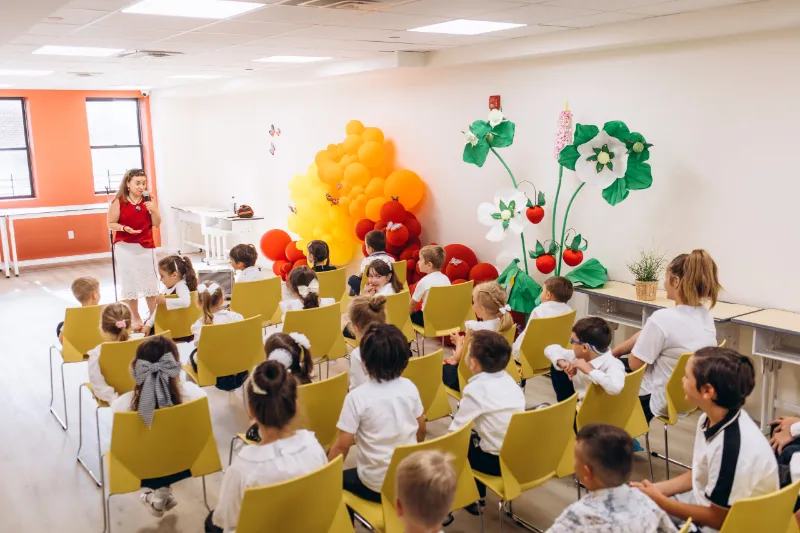
Drawing & Painting
- 4:30 – 6:00 PM
- Observation drawing
- Perspective
- Light and shadow
- Acrylic painting
- Sketchbook development
Graphic Arts & Mixed Media
- 4:30 – 5:45 PM
- Graphic design and illustration
- Color theory
- Design principles
- Digital art foundations
- Mixed-media work
Ceramics & Sculpture
- 3:00 – 4:30 PM
- Clay modelling
- Sculpture
- Ceramic design
- Glazing techniques
- Kiln-fired original projects
Missed a class? Your child can make it up at another group's session in the same discipline, within the same month, whenever there is space.
What the Next Ten Months Look Like
The three studios stay the same all year, but the focus shifts every couple of months. A student is never doing the same exercise in June that they were doing in September.
- Sep – Oct
- Drawing foundations
- Nov – Dec
- Composition & color
- Jan – Feb
- Graphics & illustration
- Mar – Apr
- Ceramics & sculpture
- May – Jun
- Portfolio & exhibition
How Ninety Minutes Are Spent
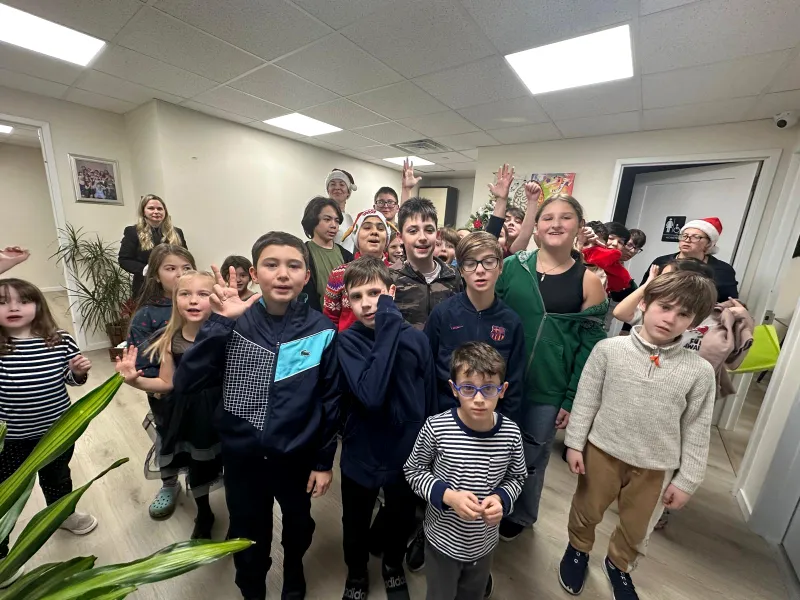
Every session follows the same shape, so students always know where they are and no one is left staring at a blank page wondering what to do.
Warm-Up
Quick sketching to get hands and eyes working before anything demanding begins.
Demonstration
The instructor shows the technique of the day at the easel, so students see it done before trying it.
Guided Practice
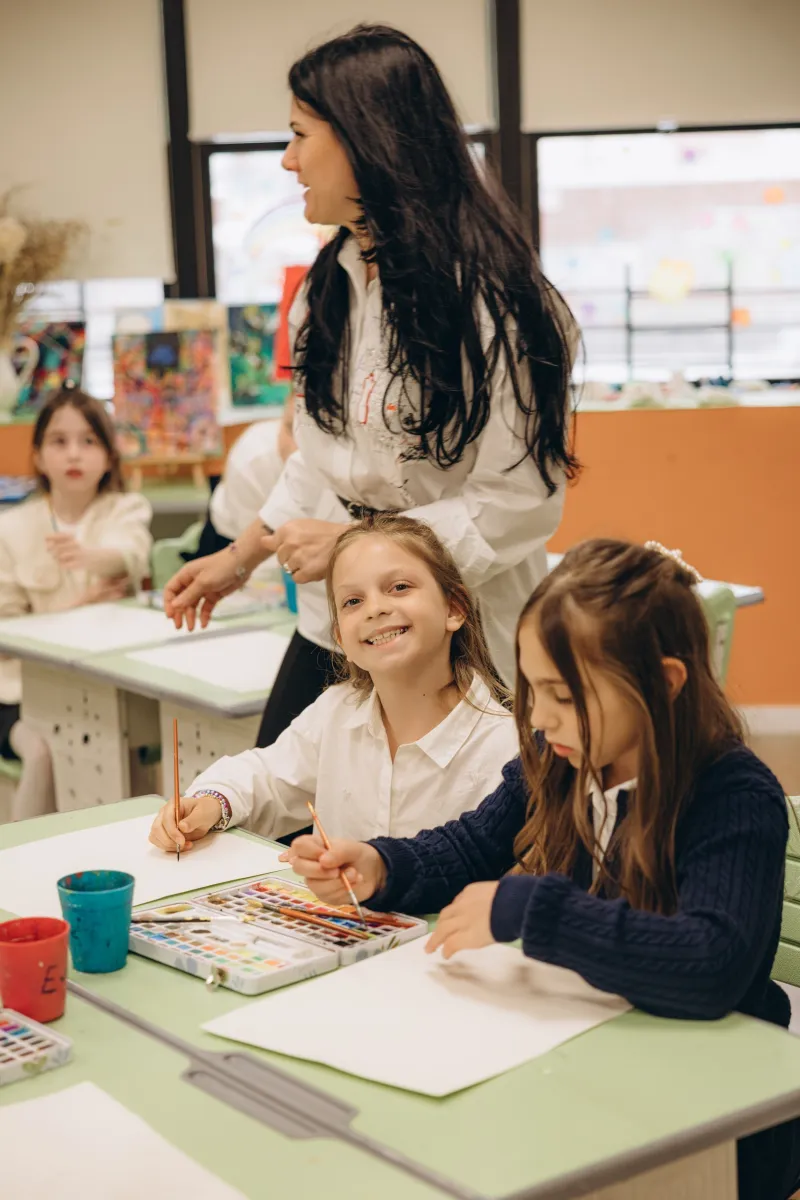
Students work with the instructor moving between them, correcting as the piece develops rather than after.
Independent Studio
Time on their own work, at their own pace — where the technique becomes theirs.
Critique
Work is put up and discussed. Students learn to talk about what they made and to hear a comment without taking it personally.
How Students Join
The Art School admits by invitation. Places are limited, and every student is either nominated by an instructor or comes through an interview and a trial class.
Nomination
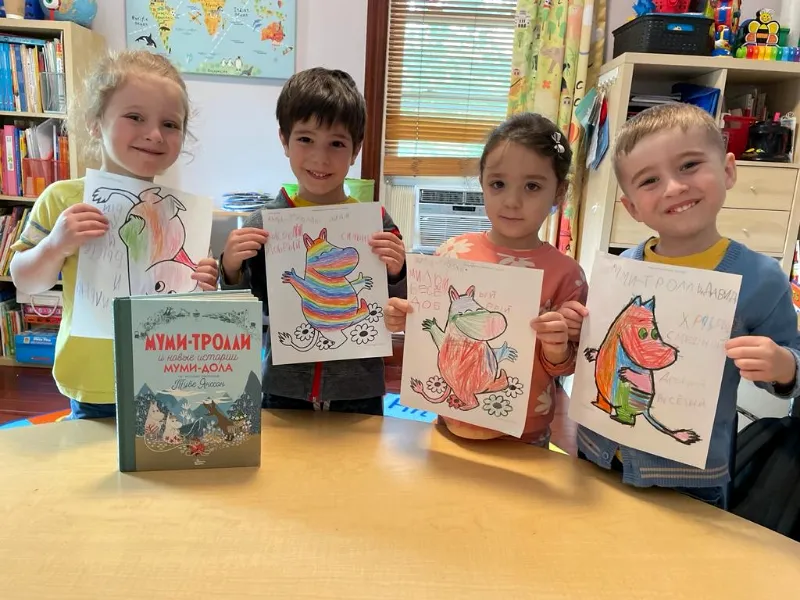
Most students are nominated by an instructor who has already seen them work — in a BSE class, in a workshop, or through the work they bring in.
Interview
Families coming from outside meet with an instructor. We look at what your child has made, ask what they want to work on, and explain what the program expects.
Trial Class and Decision
Your child works alongside the group in a real session. Afterwards we tell you whether we can offer a place, and you decide whether it fits.
Ages 7 to 18. Students are grouped by what they are working on rather than strictly by age, and classes stay small enough for instructors to set different tasks for different abilities in the same room.
What Your Child Will Be Able to Do
Not a promise of talent — a curriculum with checkpoints. This is what a student who attends regularly can do by each mark.
The Fundamentals Hold
- Understands and uses perspective
- Mixes color confidently
- Creates finished acrylic paintings
- Completes ceramic projects through firing
- Applies shading techniques
The Work Becomes Their Own
- Has a personal portfolio
- Understands composition
- Works independently on a piece
- Explores several artistic styles
- Exhibits artwork publicly
Seven Subjects, Not Three Classes
Monday, Wednesday and Friday are when students come in. What they study across those days is a full academic program in the visual arts, built around classical training and contemporary practice.
- 01
Drawing
Academic drawing skills built deliberately: observation drawing, construction of form, linear perspective, value, human and animal anatomy, proportion and structure.
- 02
Painting
A range of techniques and media, and the ability to use them to express color, light, space, mood, texture and composition.
- 03
Composition
Balance, rhythm, contrast and focal point — how a picture is organized, and how it tells a story without words.
- 04
Color Theory
The color wheel, harmony, warm and cool, contrast, color psychology and the professional schemes working artists actually use.
- 05
Art History
World art from ancient civilizations through medieval, Renaissance, Baroque, Impressionism and modern to contemporary practice.
- 06
Sculpture & Ceramics
Working in three dimensions: modeling in clay and plasticine, relief and bas-relief, sculpture in the round, decorative and folk traditions, ceramic design and glazing.
- 07
Digital Art & Illustration
Digital drawing and painting, layers, character design, illustration, comic and concept art, poster and logo design, and building a digital portfolio.
Where a Student Is After Each Year
The program runs four years. Each one ends with an assessment, and each assessment is a piece of work rather than a test.
Foundational Skills
Line, shape and form, color, space and basic composition — the vocabulary everything else is built on.
Year-end: a creative project and the student art exhibition
Working from Life
Perspective, complex still life, an introduction to architectural drawing, color relationships, and the art of the Renaissance and Baroque.
Year-end: a collection of academic and creative works
Advanced Academic Work
Plaster cast drawing, portrait drawing, human anatomy, thematic composition, Impressionism and Realism.
Year-end: an original project and a personal student exhibition
Pre-Professional Training
Academic drawing, figure drawing, plein air painting, design, contemporary art and digital art — with the portfolio as the organizing goal.
- Year-end: a graduation portfolio and capstone project
- By graduation, students can
- Draw with academic proficiency
- Work confidently across painting techniques
- Build original compositions
- Apply color theory deliberately
- Place work within art history
- Produce ceramic and sculptural pieces
- Use digital tools professionally
- Present a professional portfolio
Work That Leaves the Classroom
A drawing changes meaning when someone other than the teacher looks at it. Every student shows work publicly twice a year.
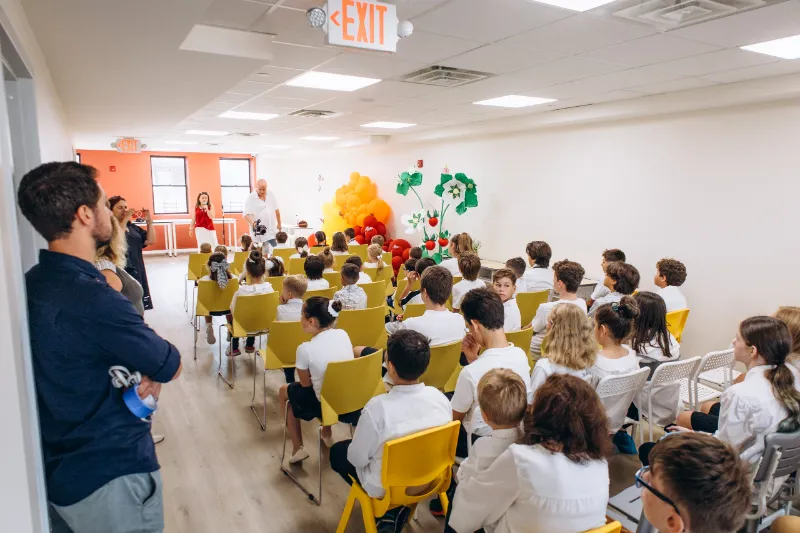
Winter Exhibition
A mid-year show of student work. Families receive invitations and a professional photographer documents the pieces.
Summer Showcase
The year's closing exhibition, where students see how far their own work has moved since December.
Portfolio Reviews
Twice a year an instructor sits down with a student’s whole body of work — not one piece — and goes through what has grown, what has stalled and what to aim at next. Parents receive a progress report each quarter.
Competitions
Students enter the Scholastic Art & Writing Awards, Doodle for Google, the NYSATA Student Art Exhibition, the Congressional Art Competition, the Brooklyn Borough Arts Festival and the International Child Art Foundation contest — with instructors choosing and preparing the pieces they submit.
A Studio Year for Grades 9–10
Ten months, September through June, for students aged 14 to 16 who are past learning technique for its own sake and are ready to make a body of work.
- By June, a student has
- A portfolio of 10–15 finished works
- Three or four major completed projects
- An individual style and creative voice
- Command of digital tools alongside traditional media
- A working grasp of contemporary art and design
- How the year runs
Each month has a theme and a project. Foundations and observation in September, composition and space in October, color and emotion in November, mixed media in December. The second half turns outward: digital art, visual storytelling, design and branding, photography, conceptual work, and a final portfolio exhibition in June.
Read more
Work is critiqued in a professional studio setting rather than marked. Students exhibit every two to three months, guest workshops bring in design, fashion and architecture, and families are part of the final portfolio exhibition.
- 40%Projects
- 30%Studio participation
- 20%Portfolio
- 10%Presentation & critique
Students preparing applications to LaGuardia High School, specialized art programs and college art programs work here — with portfolio reviews, individual critiques, artist statements and admissions guidance.
Who Your Child Will Work With
Natallia Kavaleuskaya
Artist · Art educator · 20+ years
Natallia began with a degree in artistic ceramics before studying at P. M. Masherov Vitebsk State Pedagogical University, graduating from the Faculty of Fine Arts and Graphics and later completing a Master’s degree.
She has spent more than twenty years teaching and making work, and she teaches from the conviction that art is not a set of techniques to be mastered but a way of seeing, feeling and expressing the world — which is why her students leave with a voice of their own rather than a folder of correct exercises.
Art is not only something we create. It is a way of seeing the world.
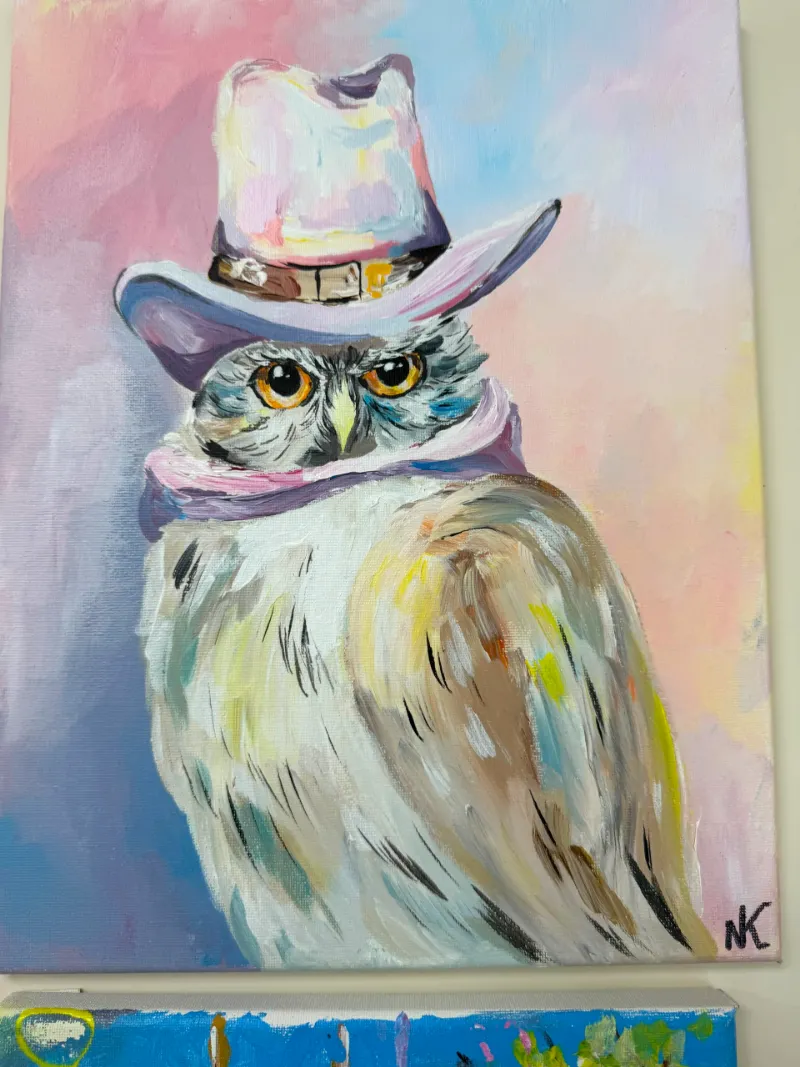
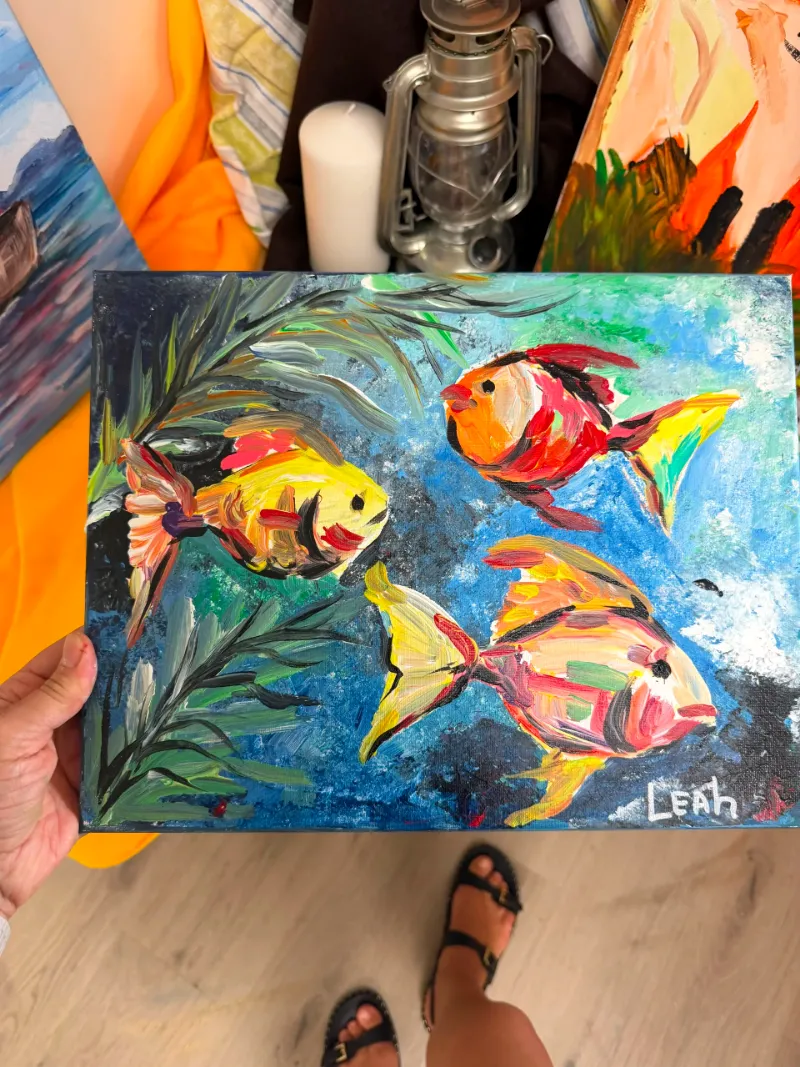
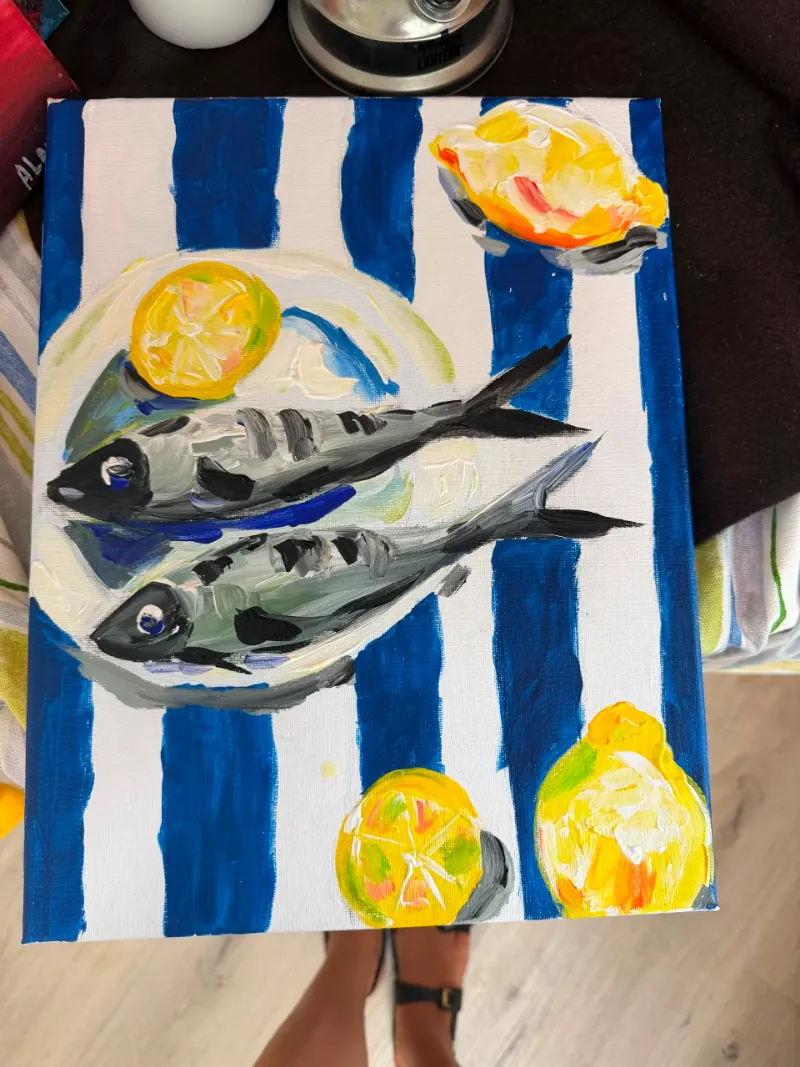
What Comes Out of These Rooms
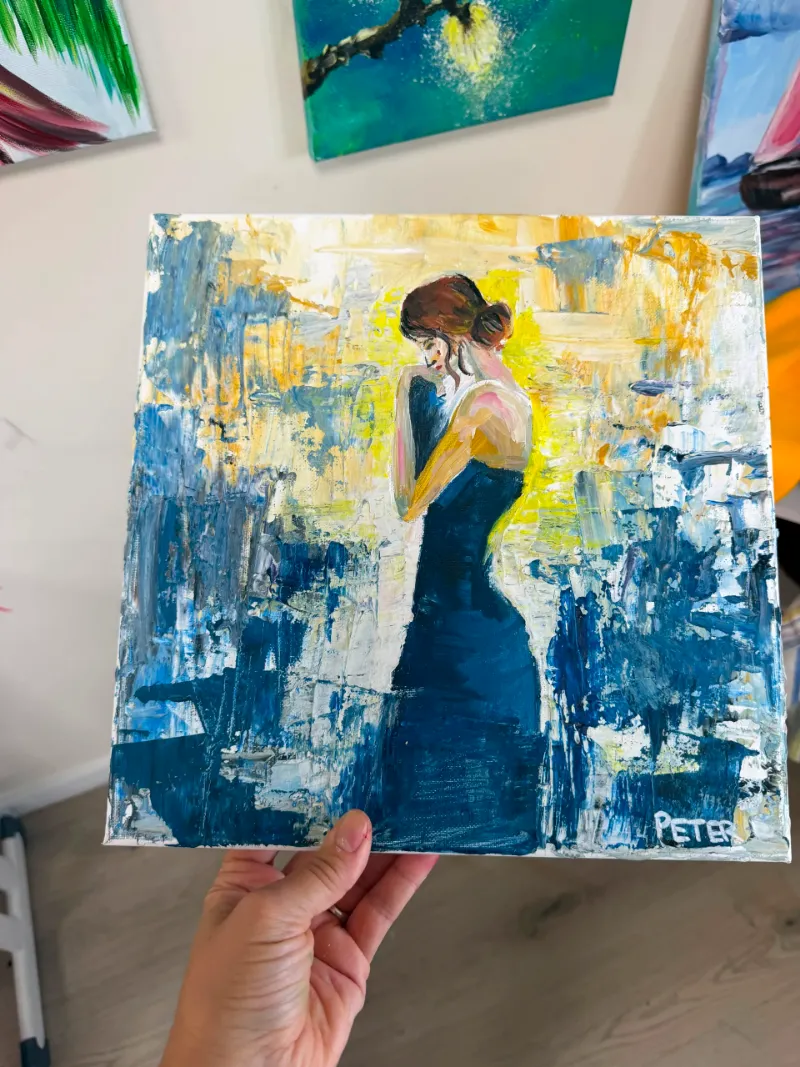
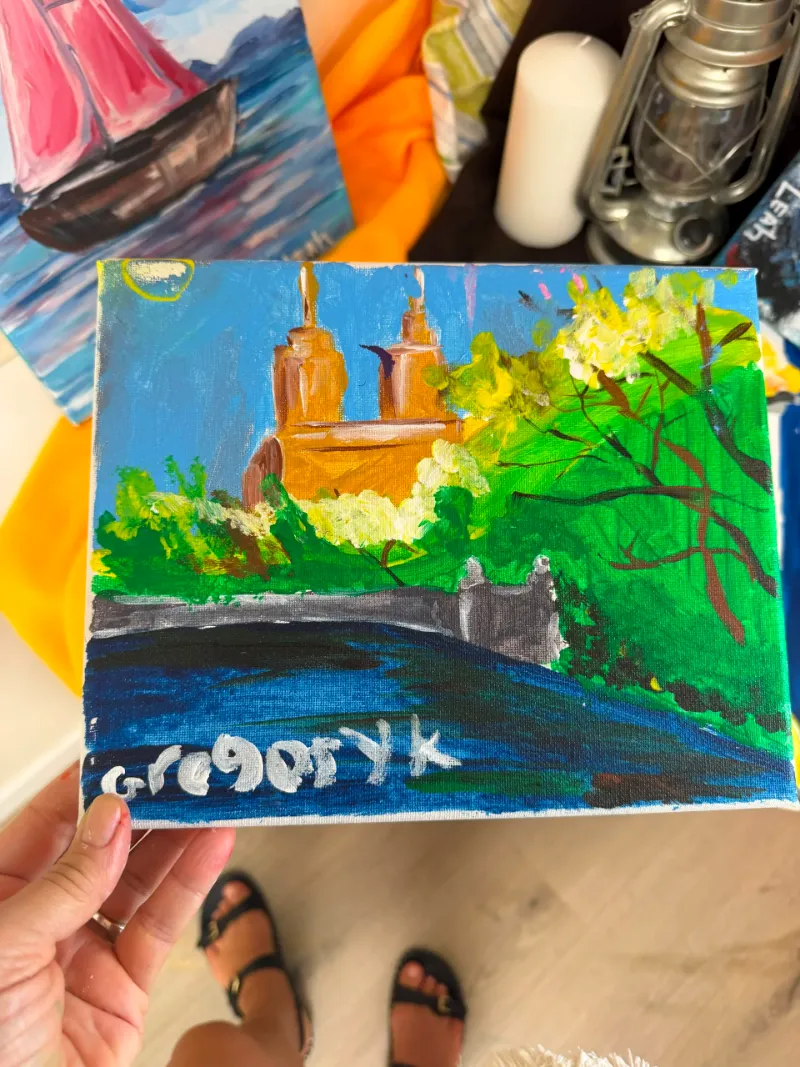
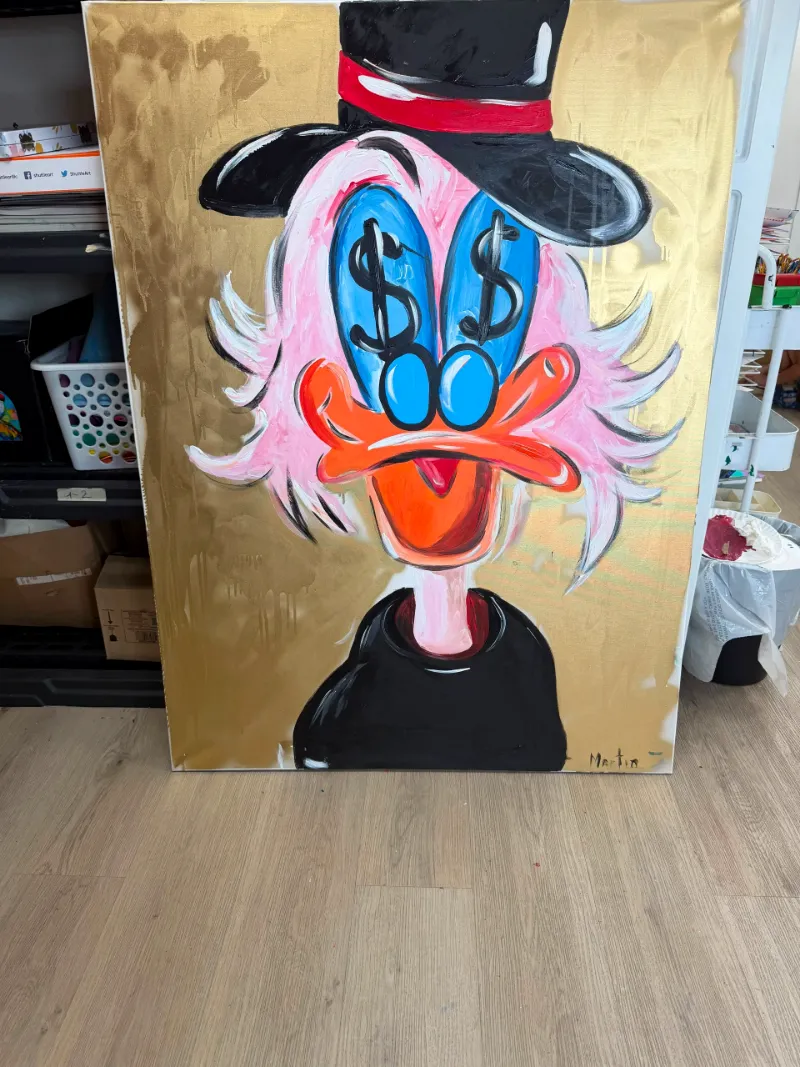
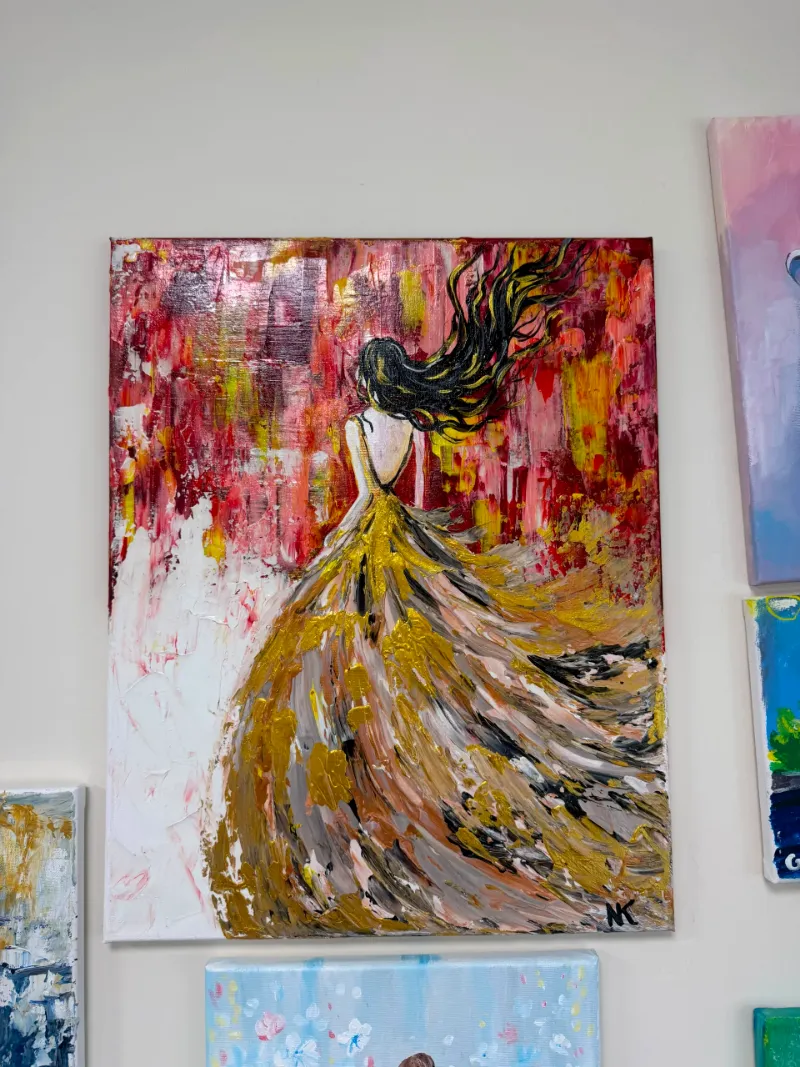
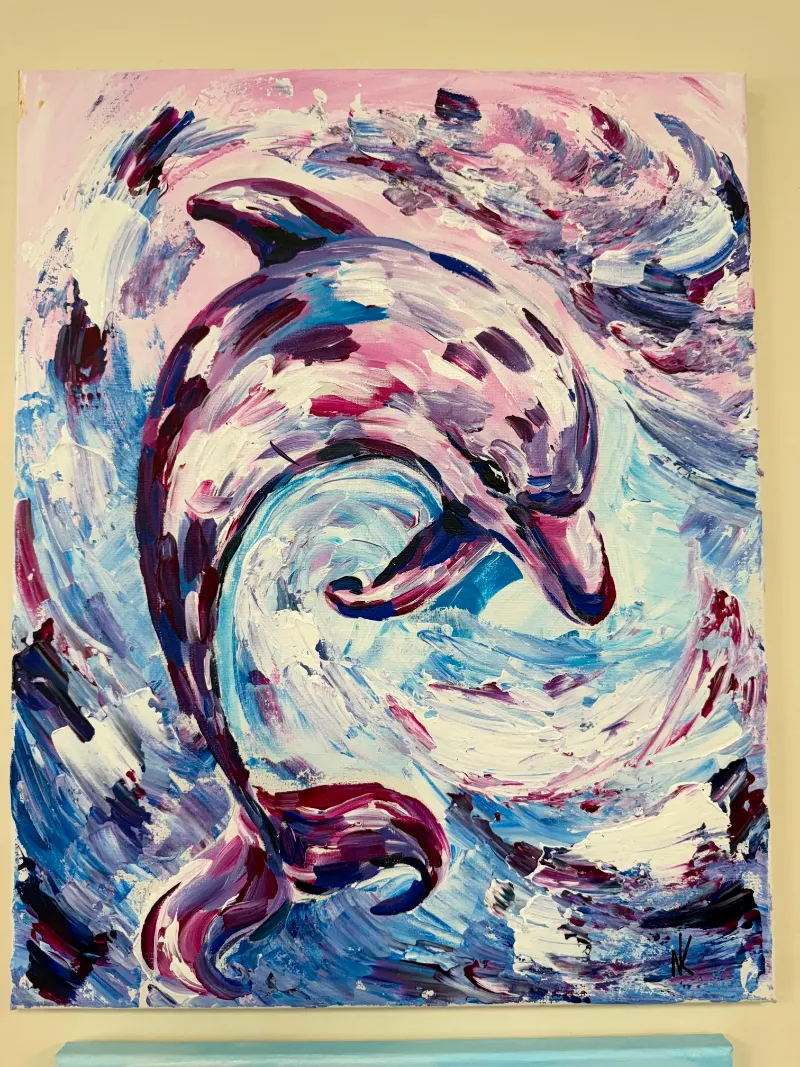
Paintings, drawings and ceramics made by our students, from fourth grade through twelfth.
- Piotr Hastsishchau — Grade 12
- Matthew Bereznitsky — Grade 6
- Gregory Kupershtok — Grade 5
- Martin Peysakhov — Grades 4–5
- Matthew Bereznitsky — Grade 6
- Tuition
One Price for All Three Studios
No per-class fees, no separate charge for exhibitions or competitions, and no surprise material costs beyond a short supply list.
- $360 per month · billed monthly
- Drawing, graphic arts and ceramics — all included
- What tuition covers
Three Studio Classes Every Week
Monday drawing, Wednesday graphic arts, Friday ceramics
Groups of 10 to 12
Small enough for different work at different abilities in one room
Studio Materials
Brushes, graphite, charcoal, clay, glazes, kiln firing, mixed media
Two Exhibitions a Year
Winter Exhibition and Summer Showcase, professionally photographed
Competitions and Olympiads
Entry and preparation, from Scholastic to the Congressional Art Competition
Read more
Portfolio developmentA personal portfolio built over the year, reviewed twice
Make-up classes — Another group’s session in the same discipline that month, space permitting
Free level changes — Moving up mid-year on the instructor’s recommendation costs nothing
- School year starts
- September 8
- Enrollment
- Rolling, space permitting
- Registration fee
- $35 a year, per student
- To withdraw
- 30 days’ written notice
- Family discounts, across Chess, Art and Music
- 10% second child enrolled
- 10% second program added
- 15% all three programs
Discounts are not combined — whichever is worth most to your family is the one applied.
What Families Bring
Drawing
a 9×12 sketchbook, HB, 2B and 4B pencils, a kneaded eraser, a blending stump, a fine liner.
Painting
an acrylic set, a watercolor set, brushes, a palette, a canvas pad.
Ceramics
an apron and a small towel.
Everything else in the studio belongs to the school.
What We Ask of Families
Consistent attendance and arriving on time — a studio class builds on the one before it.
Support for practice at home, and a visit to the exhibitions. Seeing their own work on a wall in front of an audience does more for a child than any amount of encouragement at the kitchen table.
Classes follow the BSE academic calendar and pause for school holidays and breaks.
How does my child get in?
Either an instructor nominates them, or you request an interview. Families coming from outside meet an instructor, the child attends a trial class with the group, and we tell you afterwards whether we can offer a place.
My child has never taken an art class. Is that a problem?
No. The interview and trial class are about interest and attitude, not existing skill. Instructors set different tasks for different abilities in the same room, so a beginner is never working at someone else's pace.
What does $360 a month cover?
All three weekly classes — drawing and painting, graphic arts and mixed media, ceramics and sculpture — plus studio materials, participation in exhibitions, contests and olympiads, and portfolio development. Billing is monthly.
Which materials do we need to buy?
A 9×12 sketchbook, HB, 2B and 4B pencils, a kneaded eraser, a blending stump and a fine liner for drawing; an acrylic set, a watercolor set, brushes, a palette and a canvas pad for painting; an apron and a small towel for ceramics. Clay, glazes, kiln firing and mixed-media supplies belong to the school.
Does my child need a tablet for the digital classes?
Not to begin with. Students may bring their own iPad, tablet or laptop with drawing software, and the school keeps a limited number of devices for use during class by students who don't yet have their own.
What if we miss a class?
Your child can make it up at another group's session in the same discipline within the same month, whenever there is space.
Is the trial class free?
Yes. The trial class is part of admission and costs nothing — your child works alongside the group in a real session before anyone commits.
What does enrollment involve beyond tuition?
A registration fee of $35 a year, per student, which covers any BSE enrichment program. Families with more than one child or more than one program receive a discount — 10% for a second child, 10% for a second program, 15% across three. Discounts are not combined; the highest one applies.
What if we need to stop?
We ask for thirty days' written notice. Billing stops at the end of that period, and tuition already paid is not refunded.
Where does the work end up?
In two exhibitions a year — a Winter Exhibition and a Summer Showcase. Families are invited and the pieces are photographed professionally. Students also enter contests and olympiads with their instructor's guidance.
How long is the program?
Four years, with a year-end assessment each June — a creative project in year one, a collection of academic and creative works in year two, a personal exhibition in year three, and a graduation portfolio with a capstone project in year four.
What does a student actually study?
Seven subjects across the three weekly studios: drawing, painting, composition, color theory, art history, sculpture and ceramics, and digital art and illustration. Classes run 60 to 120 minutes and combine group and private instruction.
How is the Advanced Visual Arts Studio different?
It is a ten-month studio year for grades 9–10, running September through June. Students build a portfolio of 10 to 15 finished works and complete three or four major projects, working in a professional studio setting with regular critique, exhibitions every two to three months, and guest workshops in design, fashion and architecture. Students applying to LaGuardia, specialized art programs and college art programs prepare here.
Request an Interview
Tell us about your child and we will arrange a meeting with an instructor and a trial class. We reply by phone within one school day.
Send the School a Message
See BSE in Person.
Tours run on school days, so you see real classes. Bring your child; we'll meet them too.