English Language Arts
Reading, writing, language, speaking and listening
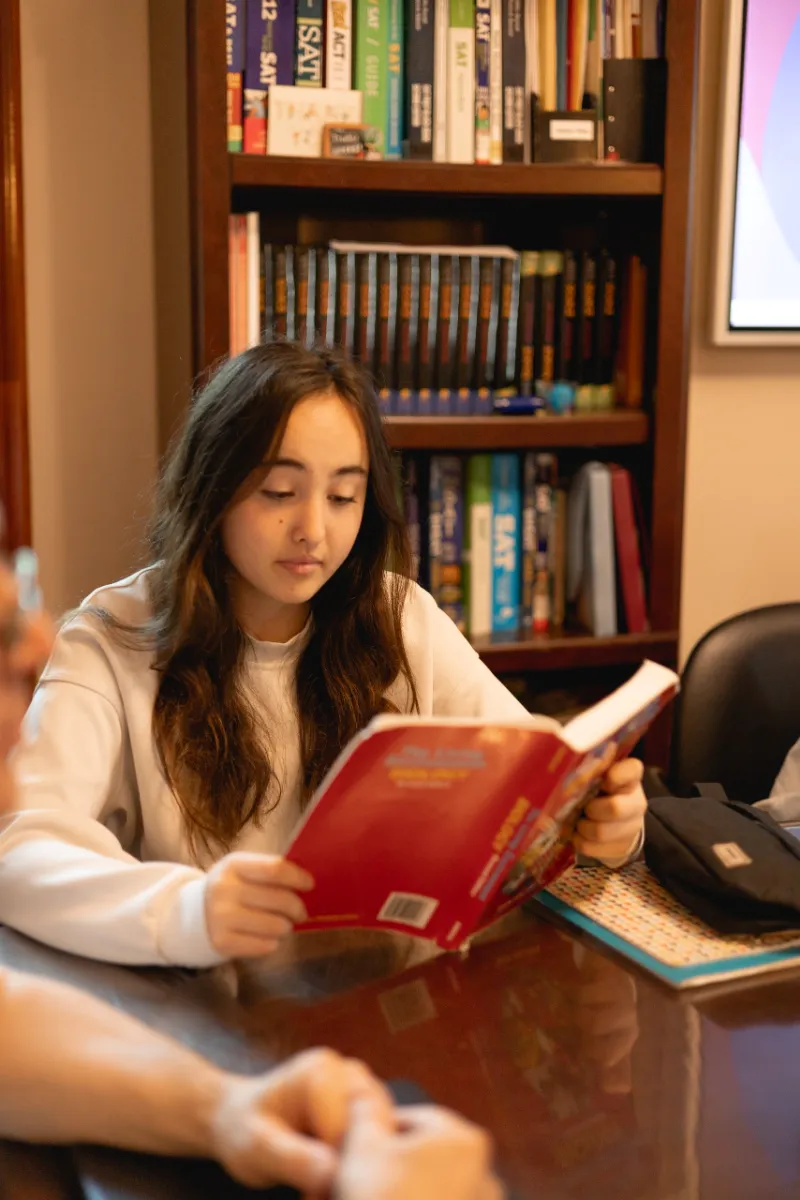
Kindergarten – Grade 6
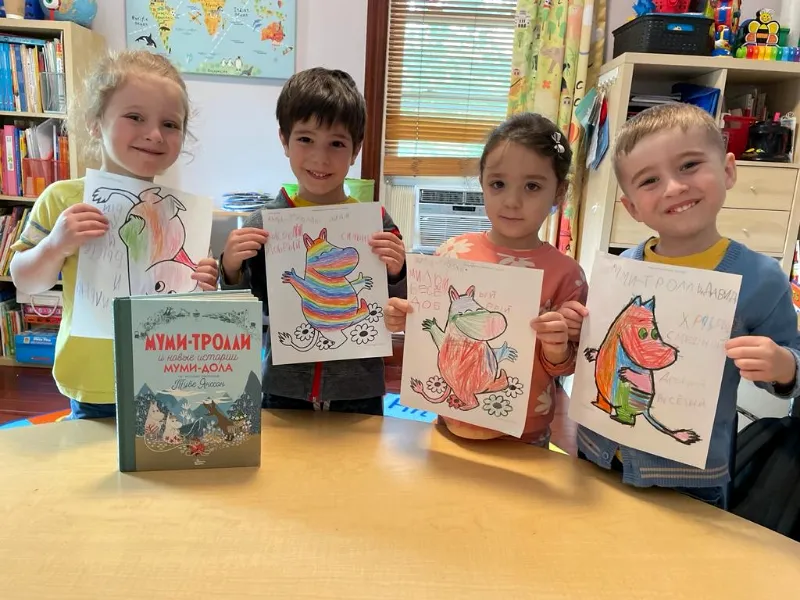
Mission & Overview
Our English Language Arts program builds readers and writers step by step — from a child's first letter sounds in Kindergarten to literary analysis and multi-paragraph essays in Grade 6 — balancing phonics, comprehension, grammar, vocabulary, and writing at every stage.
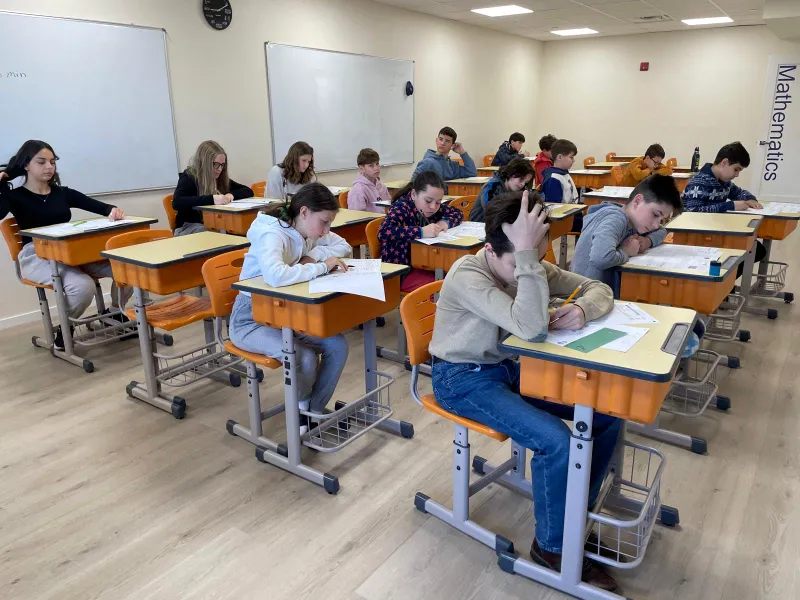
Building Early Literacy
Every child begins with the building blocks of literacy — sounds and letters — through a carefully sequenced, developmentally appropriate approach.
- 01
Phonics & Phonemic Awareness
Beginning and ending sounds, rhyming patterns, blends, digraphs, and long and short vowels — the foundation for decoding words.
- 02
Reading & Comprehension
Poetry, fables, realistic fiction, fantasy, and informational texts, with guided reading and discussion to build understanding and a love of reading.
- 03
Grammar & Vocabulary
Parts of speech, sentence structure, and the correct use of nouns, verbs, adjectives, and prepositions — taught in context.
- 04
Writing & Expression
From labeling pictures and simple sentences to storytelling, descriptive writing, poetry, and journals, collected in a growing writing portfolio.
- 05
Reading Fluency
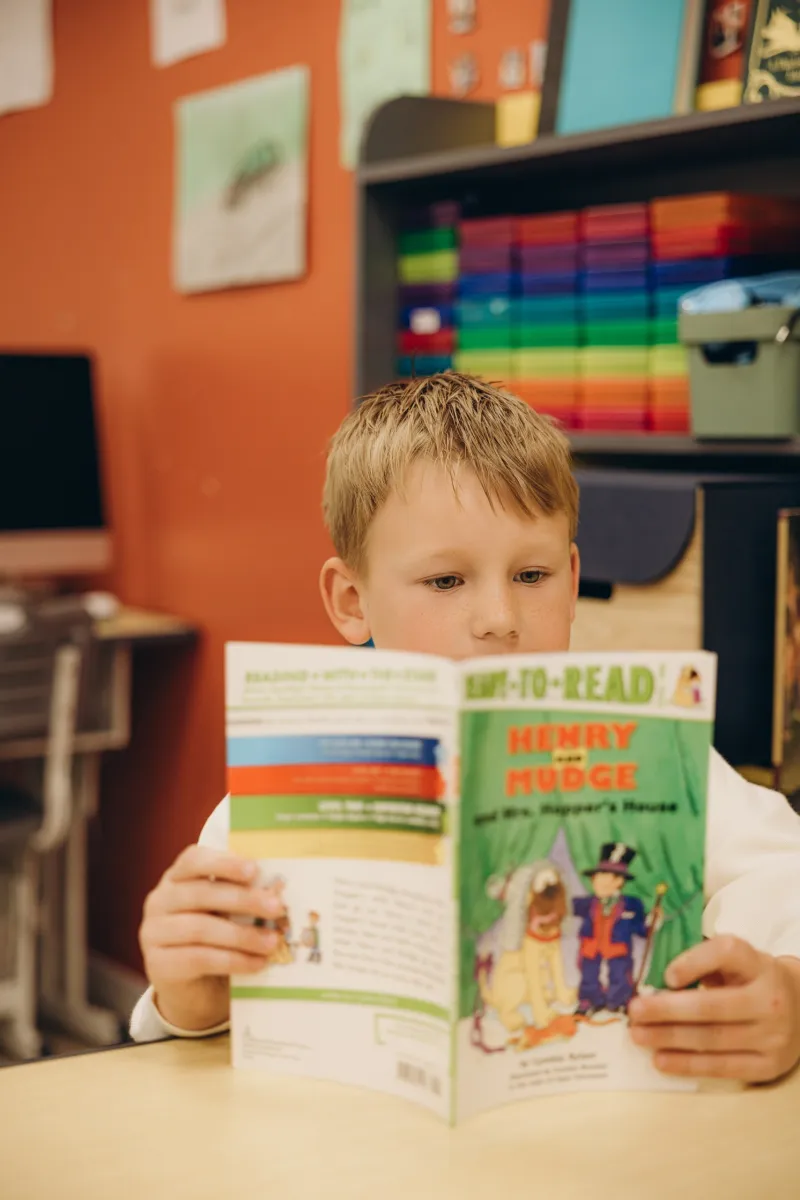
Frequent read-aloud practice individually, in pairs, and in groups, with regular teacher check-ins for accuracy, pacing, and expression.
- 06
Textbooks: Houghton Mifflin Harcourt – Journeys, Books 1.1–1.3
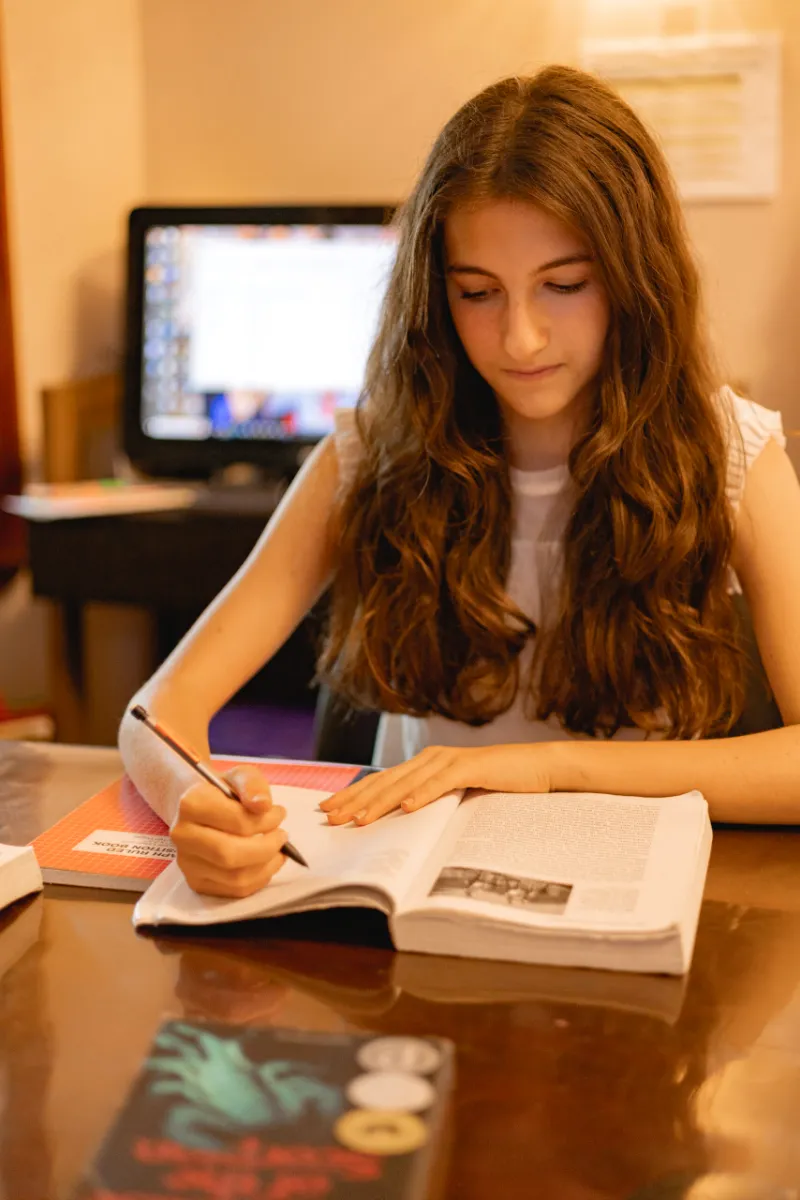
Growing Readers & Writers
Each year builds greater independence — more complex texts, longer writing tasks, and deeper analysis — organized around engaging thematic units.
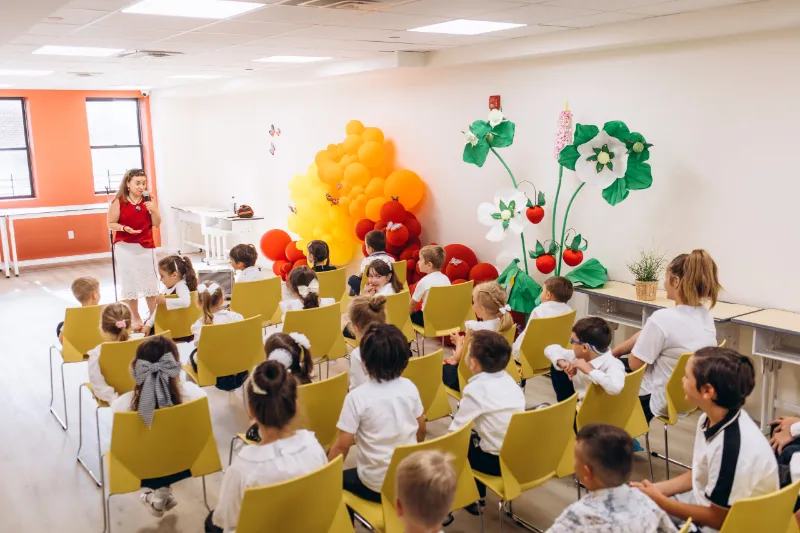
1-2 Decoding to Reading Fluency Grades 1–2
From short-vowel words and simple sentences to leveled stories with vowel teams and multisyllabic words; narratives, opinions, and informational writing by year's end.
2-3 Building Comprehension & Voice Grades 2–3
Cause and effect, theme, and problem/solution across fables, biographies, and informational texts; narrative, persuasive, and how-to writing, plus book clubs.
3-4 Critical Reading & Independent Writing Grades 3–4
Summarizing, inferring, and analyzing author's craft; vocabulary from Greek and Latin roots; multi-paragraph writing across genres.
4-5 Abstract Themes & Evidence-Based Writing Grades 4–5
Comparing texts, evaluating arguments, and identifying abstract themes; longer, evidence-based essays and creative writing projects.
Skills Built Every Year
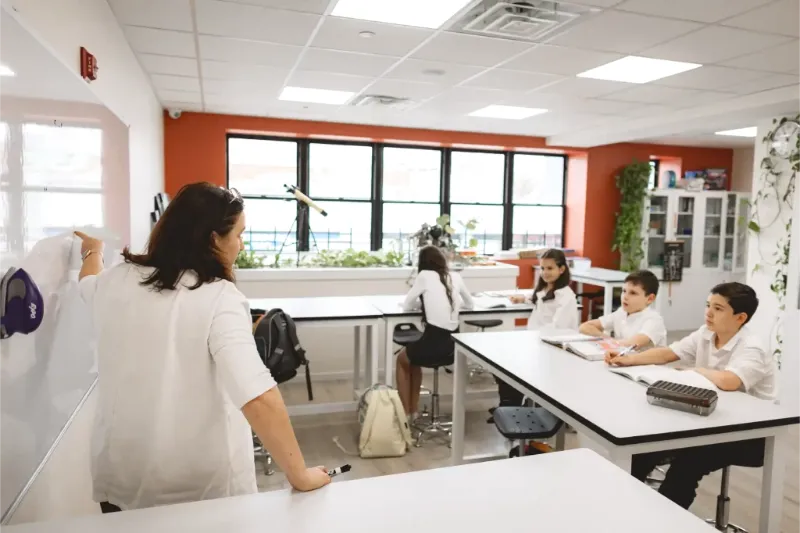
Phonics & Word Study
- Short & long vowels
- Blends and digraphs
- Vowel teams & diphthongs
- Prefixes & suffixes
Reading Comprehension
- Sequencing & cause/effect
- Theme & main idea
- Character & point of view
- Author's purpose & craft
Writing
- Narrative writing
- Opinion & argument writing
- Informational writing
- Descriptive & creative writing
Grammar & Vocabulary
- Parts of speech
- Sentence structure & punctuation
- High-frequency & sight words
- Subject-verb agreement
- Weekly vocabulary study
Upper Elementary Literature
Five anchor novels build literary and analytical thinking across the year, supplemented by the Holt Elements of Literature anthology.
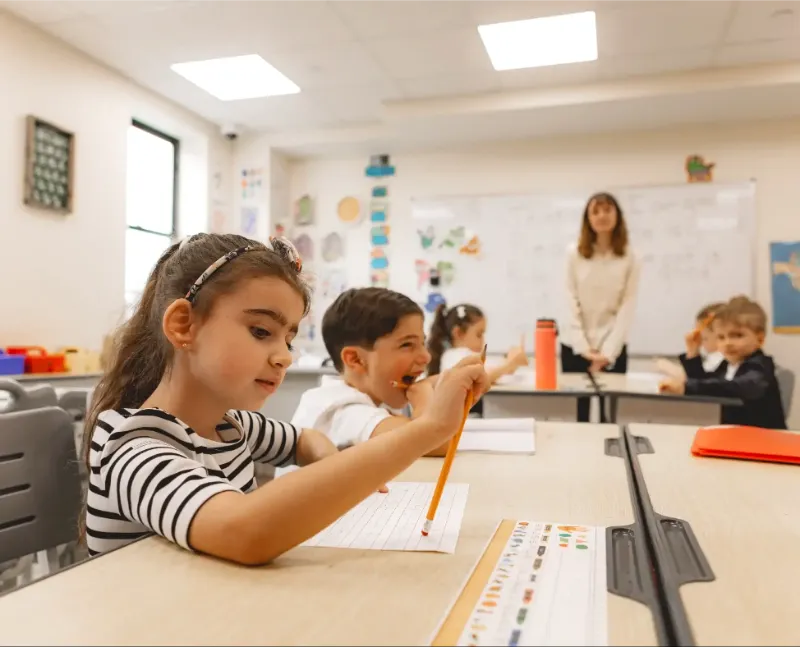
1 Hatchet — Gary Paulsen Adventure & Survival
“How do challenges change who we are?”
2 The Secret Sheriff of Sixth Grade — Jordan Sonnenblick Choices & Empathy
“What does it mean to do the right thing when life is difficult?”
3 Stargirl — Jerry Spinelli Identity & Belonging
“How much should we change ourselves in order to belong?”
4 The Red Pony — John Steinbeck Coming of Age & Symbolism
“How do difficult experiences change the way we understand the world?”
5 The Giver — Lois Lowry Dystopian & Science Fiction
“Is a perfect world worth giving up the freedom to choose?”
The Weekly Rhythm
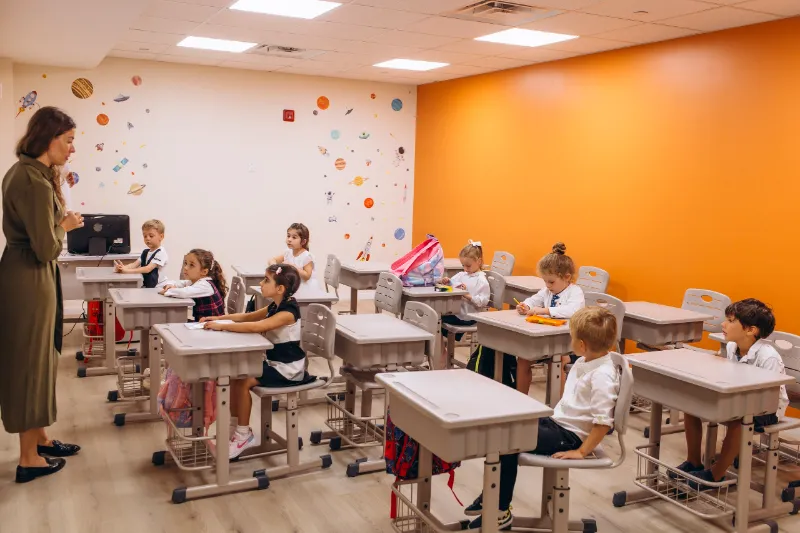
Monday Spelling & Vocabulary
Weekly word study, context practice, and preparation for Friday assessments.
Tuesday Novel Study & Analysis
Reading, discussion, annotation, inference, character, conflict, and theme.
Wednesday Grammar & Vocabulary
Direct grammar instruction, sentence work, editing, and language skills.
Thursday Novel Study Continued
Comprehension checks, short responses, and preparation for longer writing.
Friday Tests, Quizzes & Writing
Spelling and vocabulary quizzes, and dedicated Writing Workshop time.
The Writing Workshop
Writing is taught as a process, not a single finished product — with regular time to plan, draft, revise, edit, and improve.
Plan, Draft, Revise and Edit
Brainstorming and planning Outlining & strong topic sentences
Paragraph organization, introductions & conclusions Using and explaining textual evidence
Narrative, descriptive & explanatory writing Opinion, argument & literary analysis writing
Multi-paragraph essays Revising and editing with feedback
Friday Writing Workshop
Grades 5–6 hold a dedicated Writing Workshop every Friday, building the stamina and structure students need for middle and high school.

Assessment & Grading
Kindergarten through Grade 4–5: grades reflect five equal components.
Grading Components
- 20% — Homework
- 20% — Participation & Attendance
- 20% — Writing Portfolio
- 20% — Quizzes & Tests
- 20% — Reading Fluency
Grades 5–6 Are Also Evaluated Through
- Novel quizzes, tests & reading checks
- Multiple-choice & short-response questions
- Essays and literary analysis
- Midterm and final examinations
- State test preparation woven into instruction

What Makes Us Unique
- One continuous literacy path — from first sounds to literary analysis
- Rich, diverse thematic units that connect reading to the wider world
- Weekly Writing Workshop builds real writing stamina, not one-off assignments
- Five carefully sequenced anchor novels in Grades 5–6 build critical thinking
- Small classes with individual feedback on every piece of writing
From “What Is a Pal?” to The Giver — one continuous journey toward confident, thoughtful literacy.
Meet Our Faculty
Explore Our Academic Programs
Mathematics →Science →History and Social Studies →Russian Language and Literature →

See BSE in Person.
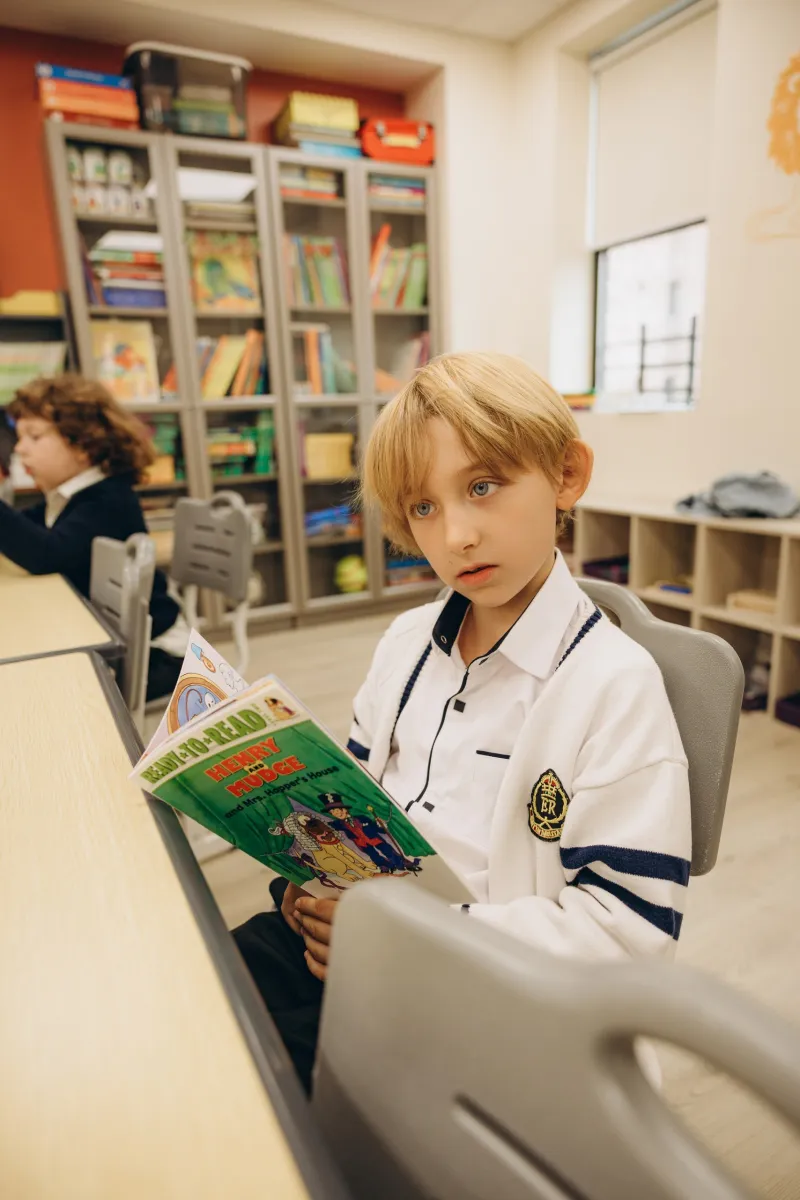
Tours run on school days, so you see real classes. Bring your child; we'll meet them too.